
Proven Checks Buyers Miss In A Batch Manufacturing Record
The first commercial batch from a new intermediate supplier is not a formality. Here is the checklist, the five approval outcomes, and how to log the call.
The first commercial batch from a new intermediate supplier is not a formality. Here is the checklist, the five approval outcomes, and how to log the call.
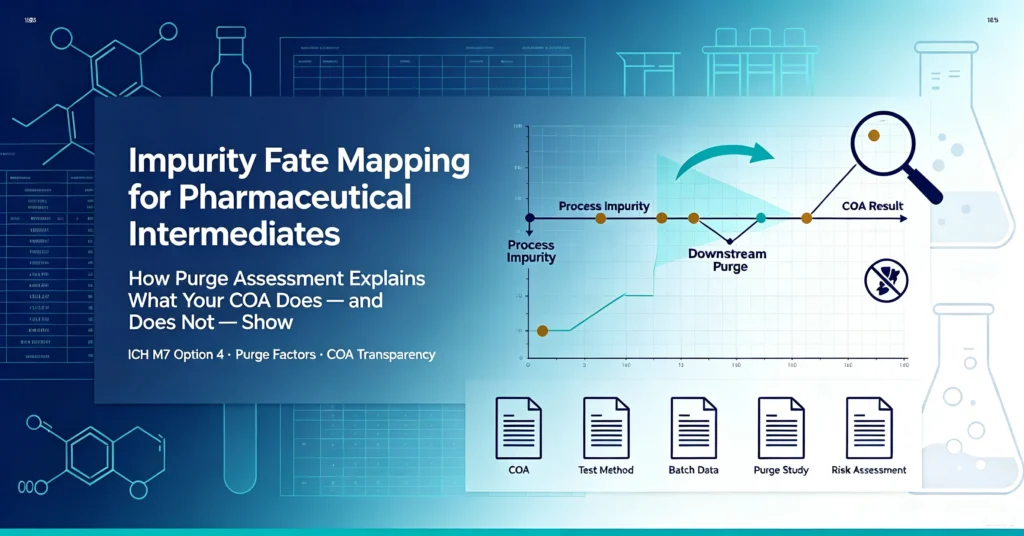
An impurity absent from a Certificate of Analysis is not necessarily absent from the process — it may simply have been purged downstream. This guide explains impurity fate mapping, purge factors, ICH M7 Option 4, and the five documents buyers should request.
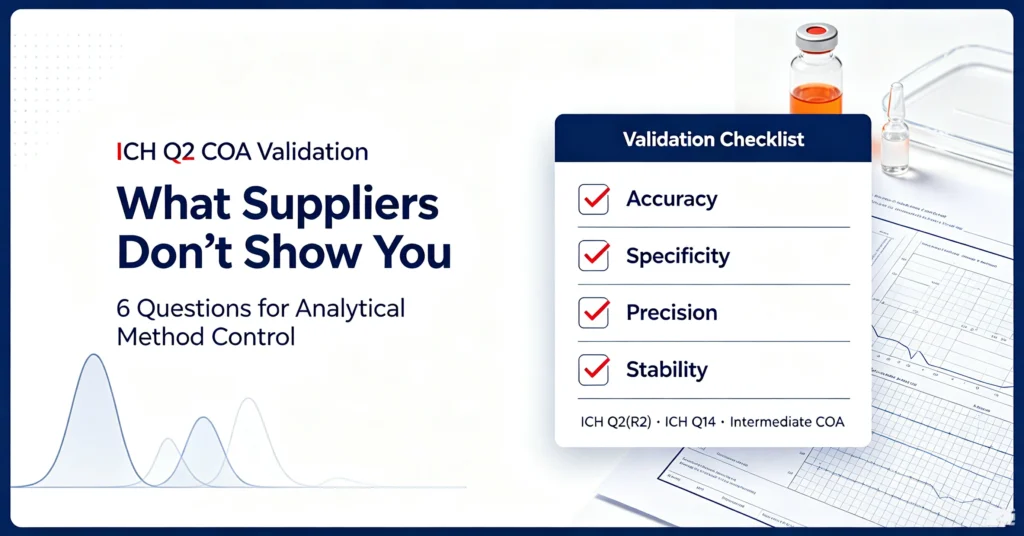
This guide decodes the seven validation parameters defined in ICH Q2(R2) from an intermediate buyer’s perspective, explains why stability-indicating methods matter for retest dating, and provides six questions buyers should ask suppliers about their analytical methods.
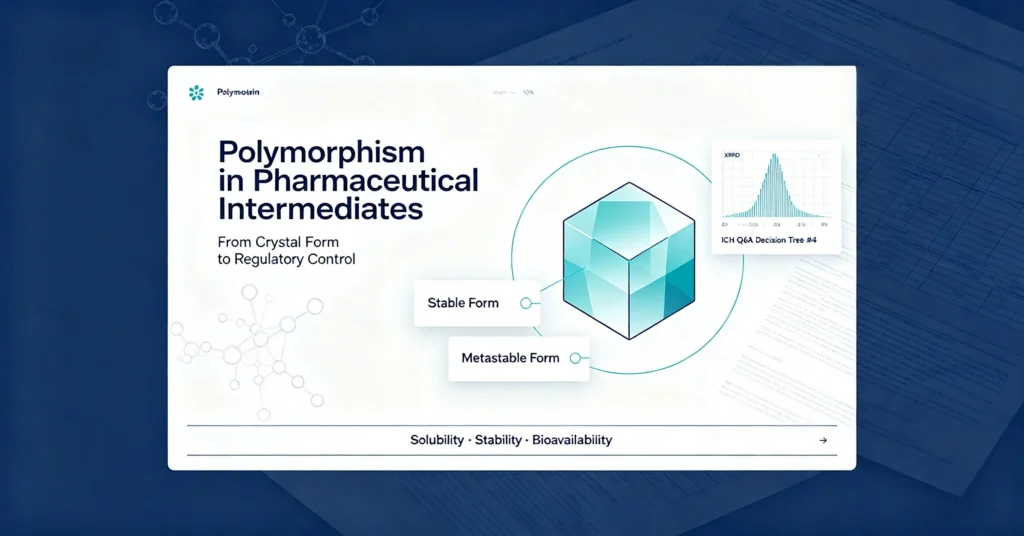
This guide explains what polymorphism means for intermediate buyers, how ICH Q6A Decision Tree #4 governs solid form control, which COA red flags signal polymorph gaps, and three questions every buyer should ask their supplier before committing to a purchase.

This guide explains the four element classes, the 30% control threshold that determines whether routine testing is required, the difference between ICP-MS and ICP-OES analytical methods, and five red flags on supplier COAs that signal inadequate elemental impurity control.

This guide explains what ee% measures, why it differs from optical purity, how chiral HPLC validates stereochemical integrity, and which COA fields separate genuine process control from cosmetic data.

This buyer’s guide maps the Boehringer Ingelheim synthesis route, identifies four commercially critical intermediates with CAS numbers, explains why six chiral centers create six separate quality checkpoints.

This guide explains three formation pathways (amine + nitrite reaction, recovered solvent contamination, and shared-equipment cross-contamination), walks through the CPCA classification framework for assessing risk levels, and provides five questions every procurement team should ask their intermediate supplier — plus four red flags to spot on a COA.

This guide clarifies the three terms (retest date, expiry date, shelf life) with ICH definitions, explains how manufacturers assign retest periods using a risk-based stability framework, and gives you five questions to ask any supplier — plus four red flags to watch for on COA date labels.
