
Pharmaceutical Patent
Pioneering Solutions in Drug Development.
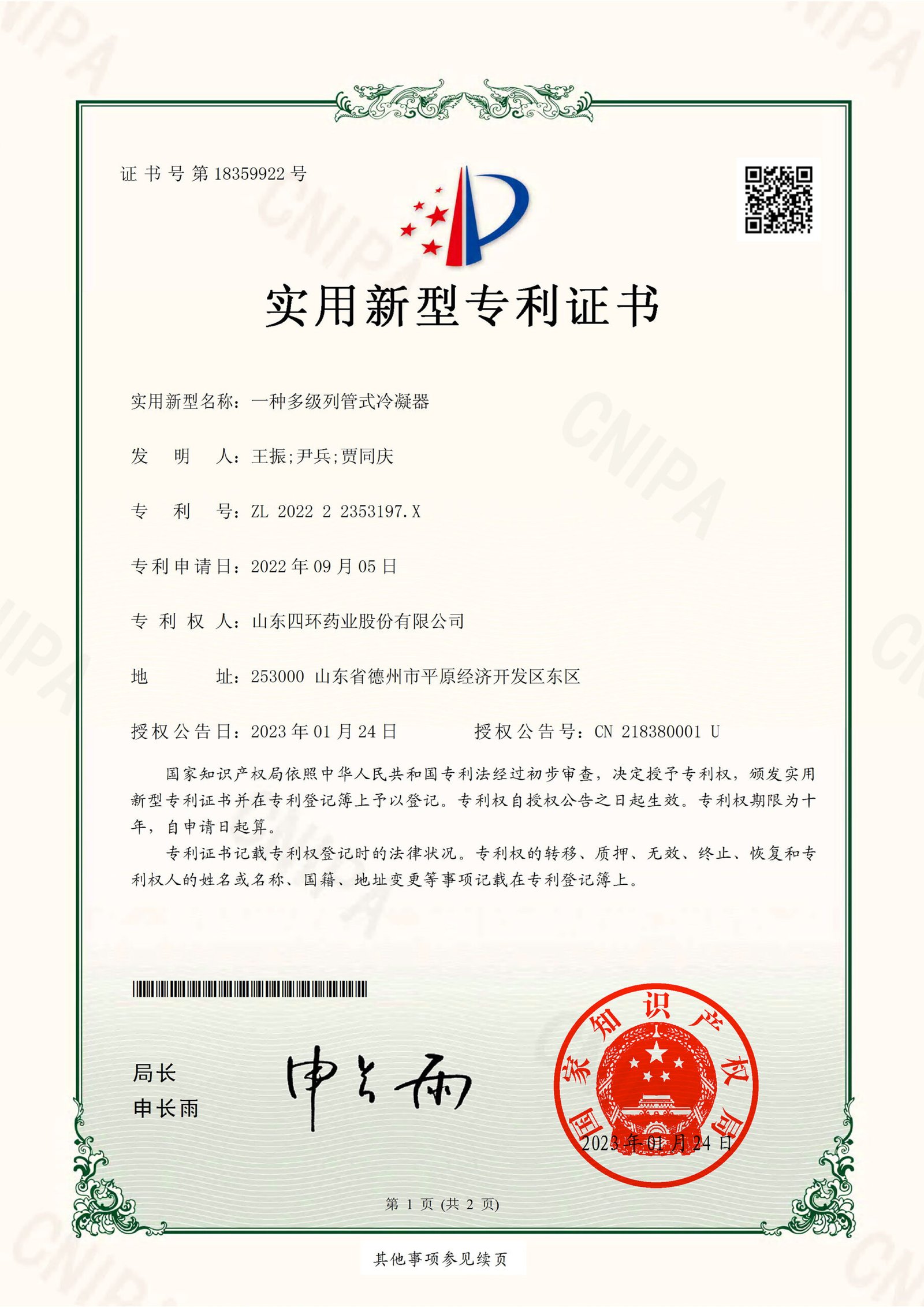
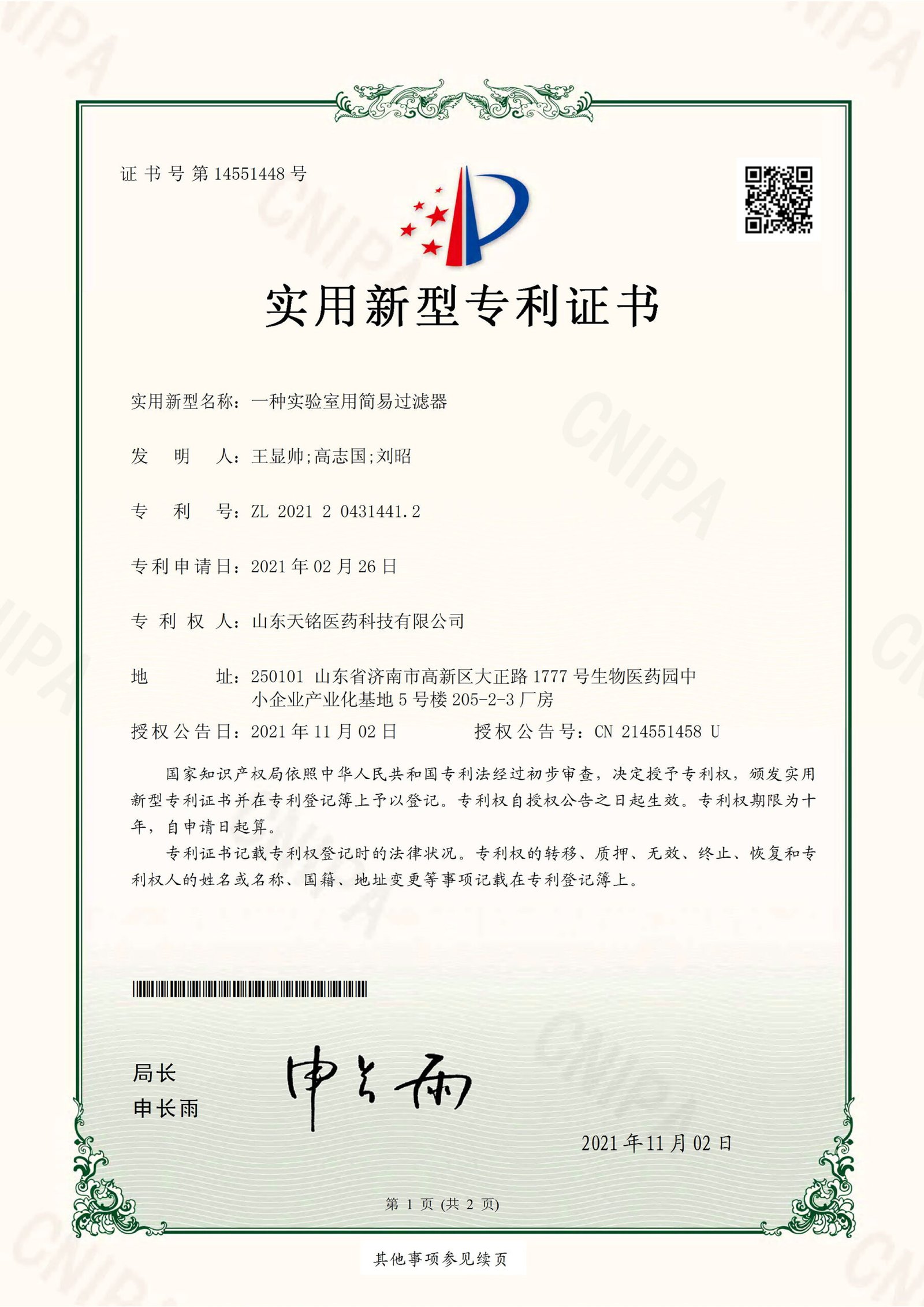
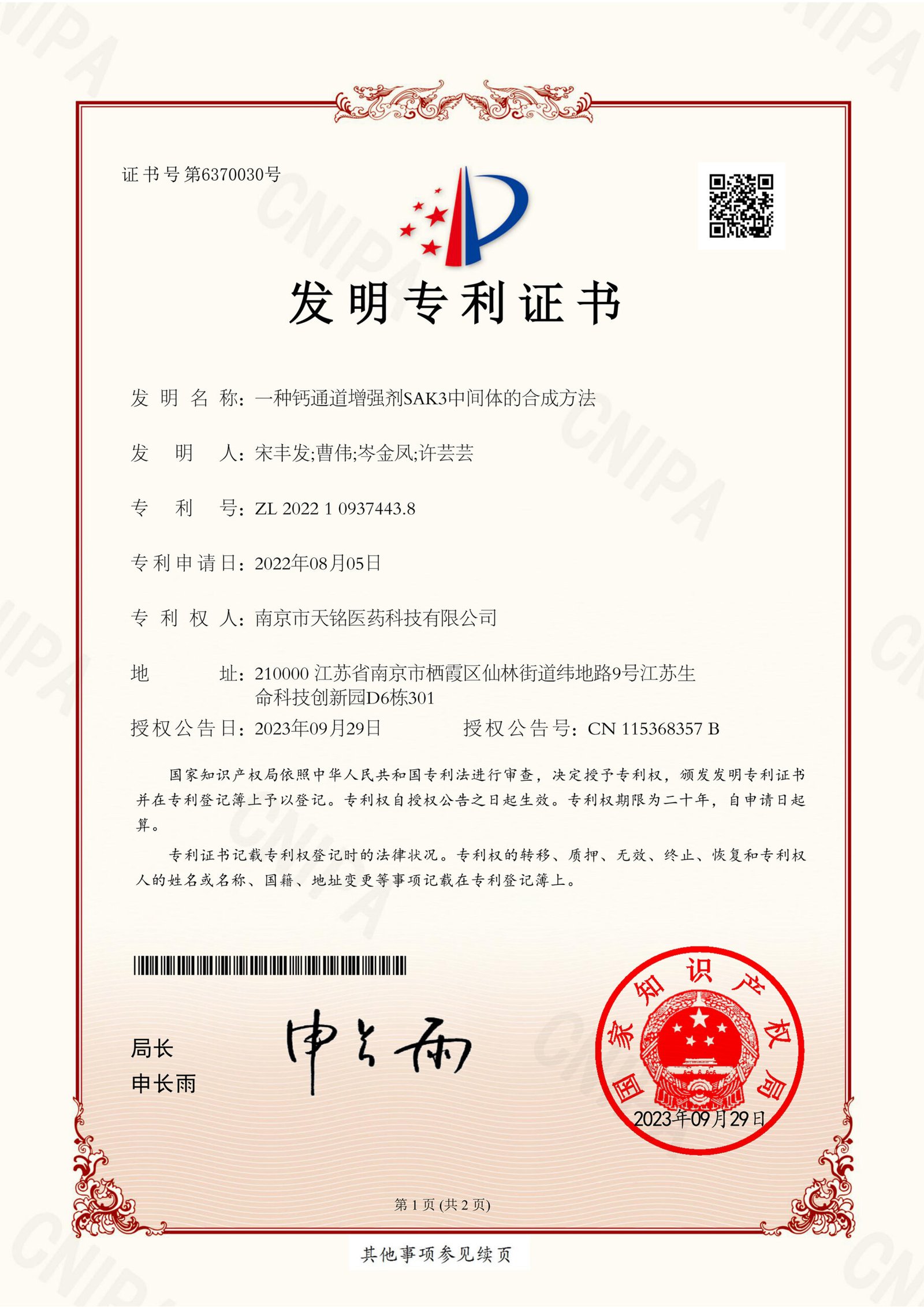
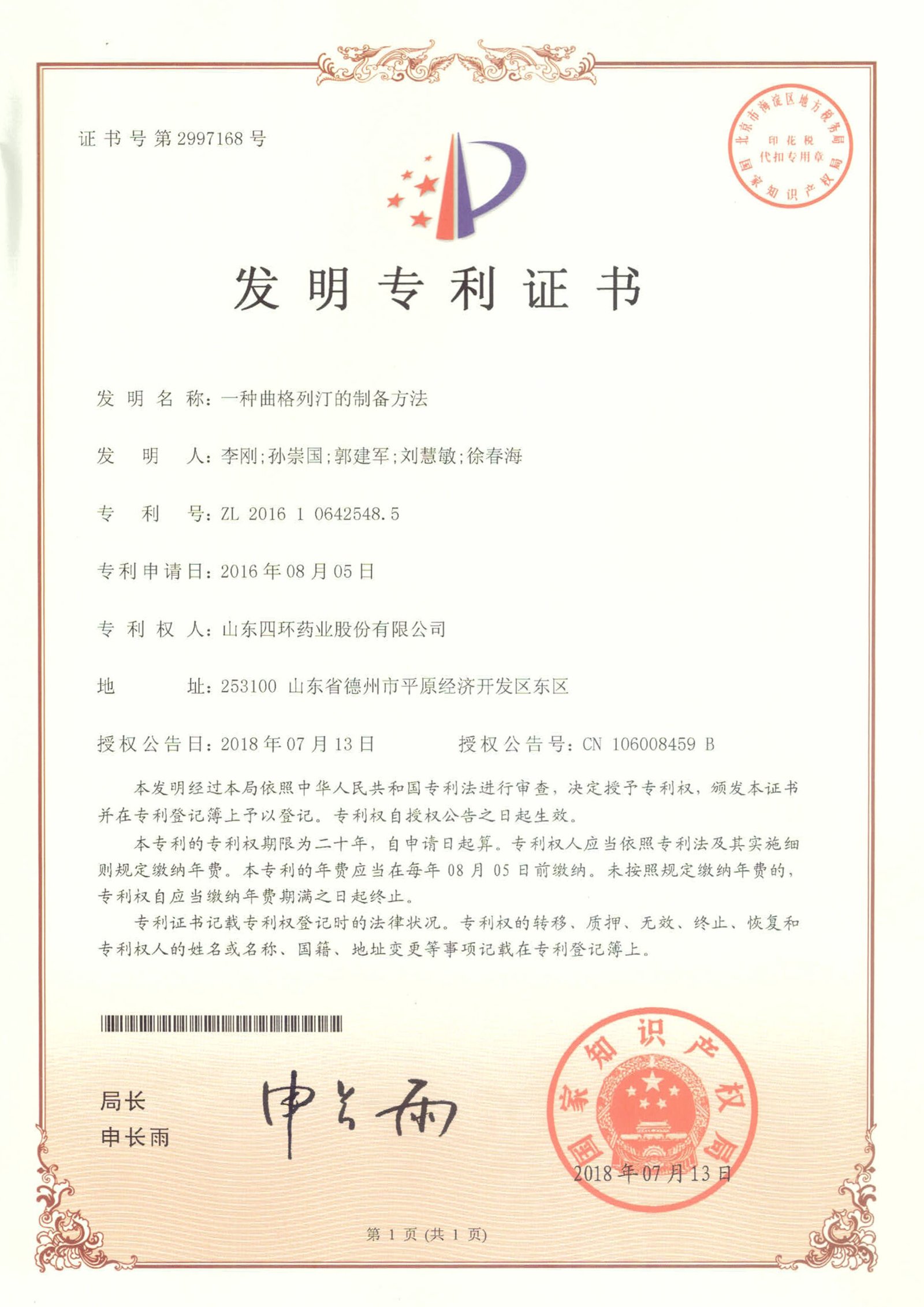
Invention Patents
Innovative preparation methods for APIs and intermediates.
Utility Model Patents
Innovation and creation of pharmaceutical facilities and equipment.
Autonomous Patent Authorization
Independent ownership and control of patent rights.
Development of New Product
Implementation and improvement of production processes and methods.
Product Process Improvement
Improvement of existing product processes to meet more detailed needs.
Innovation Project Research
Host and conduct provincial-level technology innovation project research.
Patents in Pharmaceutical Industry


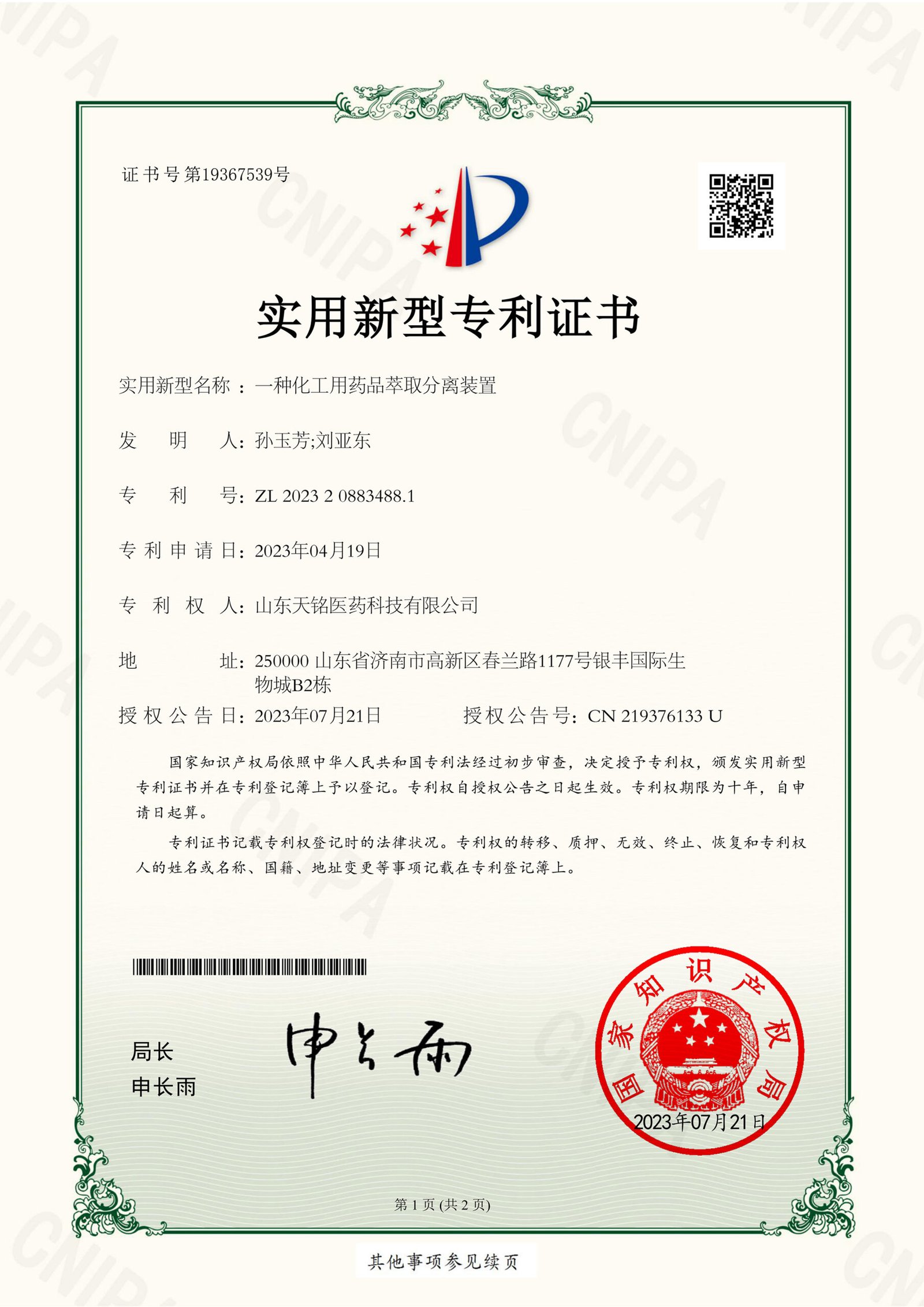
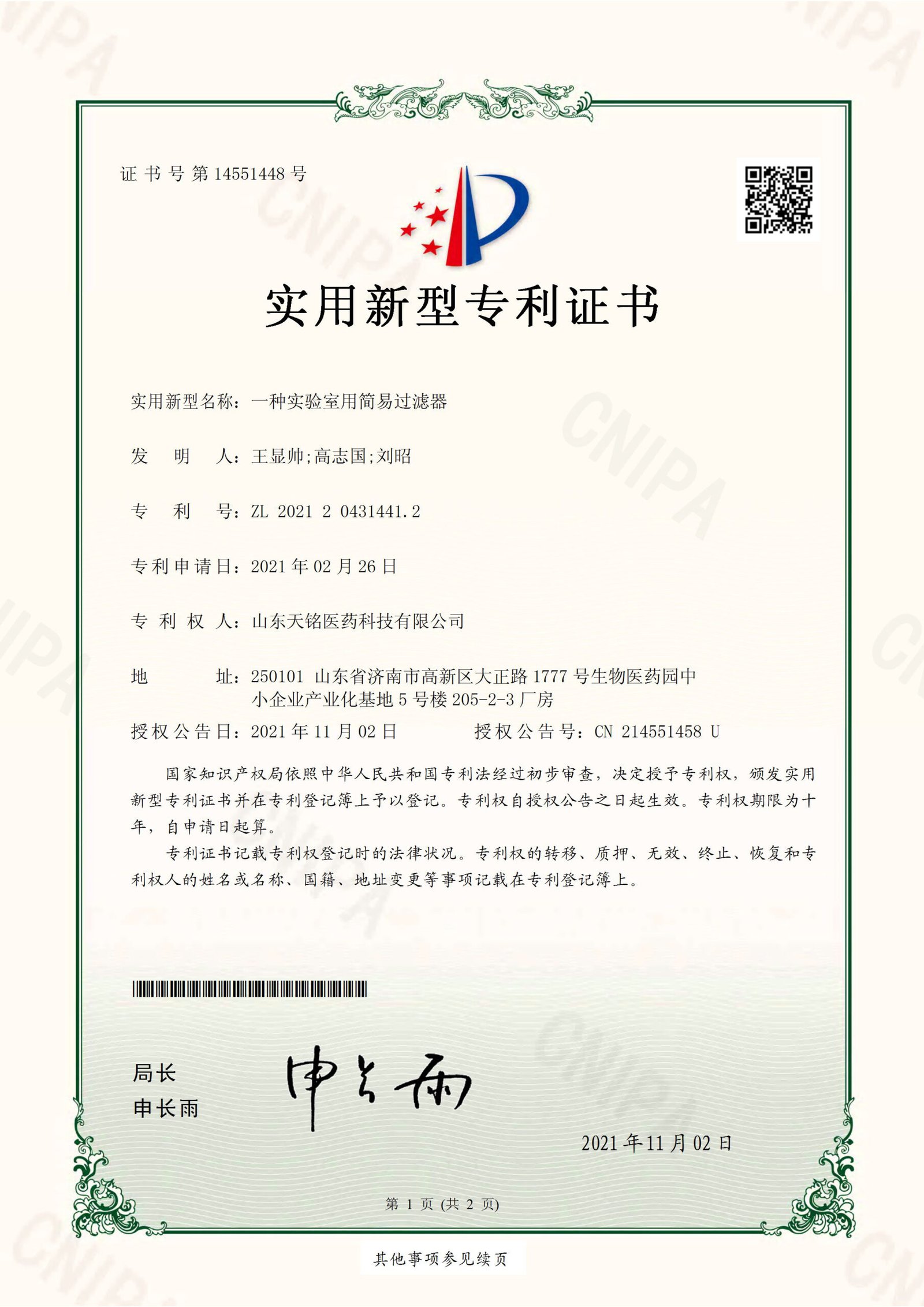
“We are committed to protecting our innovations through pharmaceutical
patents while ensuring that they benefit a wider patient population.”
Patents are the Cornerstone of Innovation in the Pharmaceutical Industry
We are well aware that every patent is a commitment to human health and an exploration of future possibilities. We are proud to announce that we have successfully transformed 27 invention patents and 40 new patents, which have not only promoted the progress of medical technology, but also benefited patients.
What did we do?
-
Transformation of Scientific & Technological Achievements
27 invention patents have been transformed into practical applications, ensuring that our innovations can quickly serve the society, improve treatment effects, and improve the quality of life of patients.
-
New Product and Process Development
Develop 7-8 new product processes each year, constantly explore new boundaries in the medical field, and strive to develop more effective and safer solutions.
-
Continuous Innovation and Optimization
Improve 5-6 existing product processes each year to ensure that existing products can be continuously optimized to meet the changing needs of the market and patients.
-
Municipal Project Undertaking and Research
Undertaking a municipal project plan of 5-6 years/item demonstrates our deep accumulation and professional capabilities in the field of medical research and development.
What's News
Latest News at Tianming
Proven Checks Buyers Miss In A Batch Manufacturing Record
The first commercial batch from a new intermediate supplier is not a formality. Here is the checklist, the five approval outcomes, and how to log the call.
Ultimate First Article Approval Checklist For A New Supplier
The first commercial batch from a new intermediate supplier is not a formality. Here is the checklist, the five approval outcomes, and how to log the call.
The Proven Decision Tree For A Supplier Change Notice
A buyer-side decision tree for handling an intermediate supplier change notice — what to accept, contest, or reject, and how to log the call.