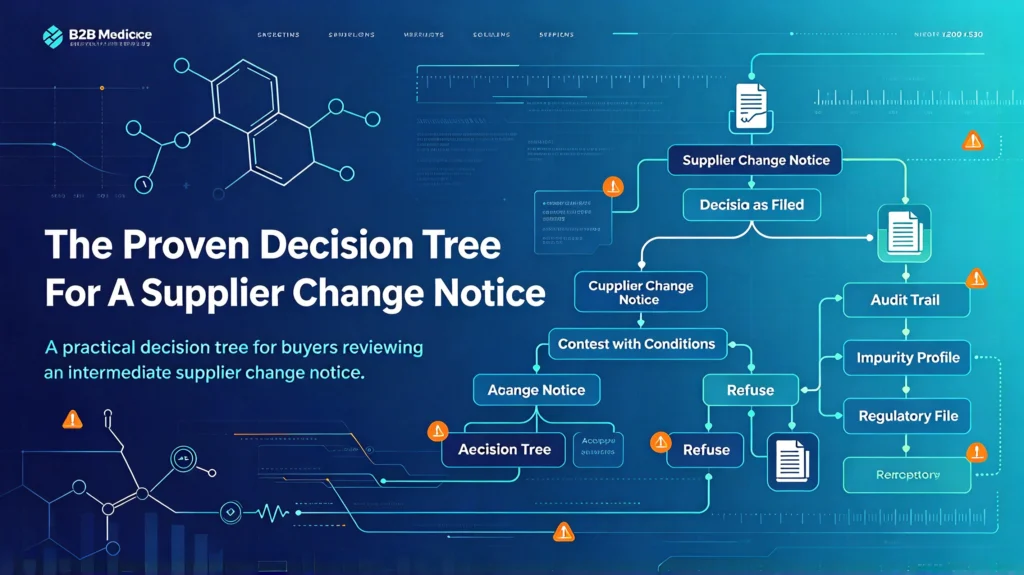
The Proven Decision Tree For A Supplier Change Notice
A buyer-side decision tree for handling an intermediate supplier change notice — what to accept, contest, or reject, and how to log the call.
A buyer-side decision tree for handling an intermediate supplier change notice — what to accept, contest, or reject, and how to log the call.
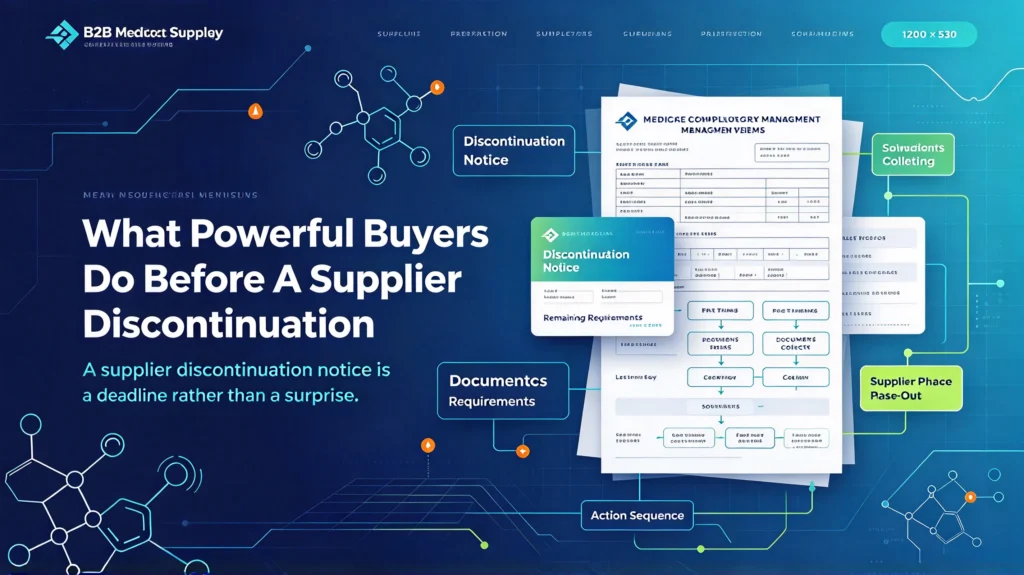
A supplier discontinuation is a deadline, not just bad news. The questions to ask in writing, the last-time-buy calculation, and the files to collect in time.
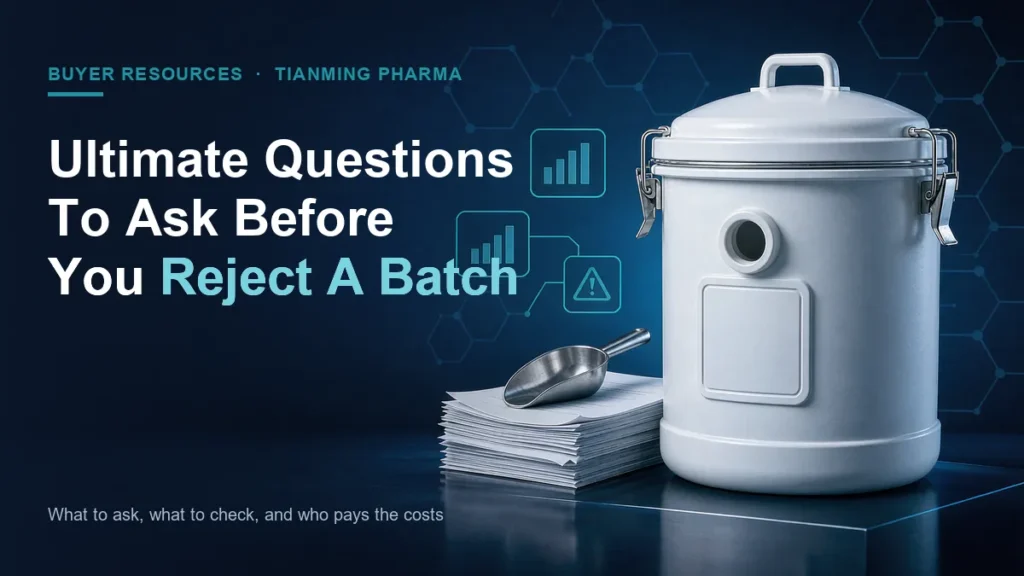
Rejected batch? What to do in the first hour, how to write the notice, who pays the costs, and the escalation path when a supplier stalls.
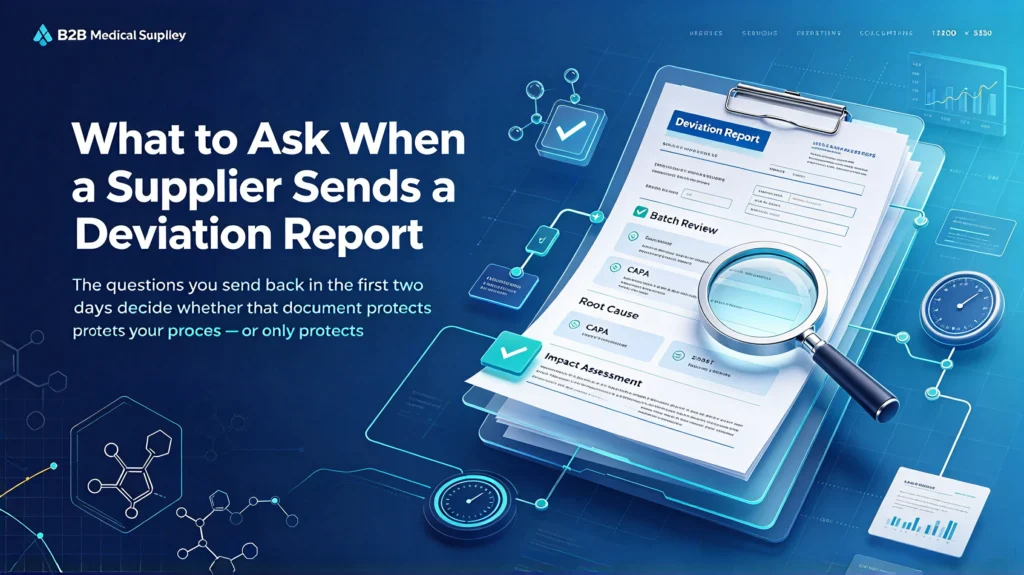
A deviation report arrives with a batch you have already paid for. The questions you send back in the first two days decide whether that document protects your process — or only protects the supplier who wrote it.

Two suppliers can quote the same intermediate with completely different particle size lines, and both may be telling the truth. Here is how to read a particle size specification before you agree to one, so the number on the COA means what you think it means.
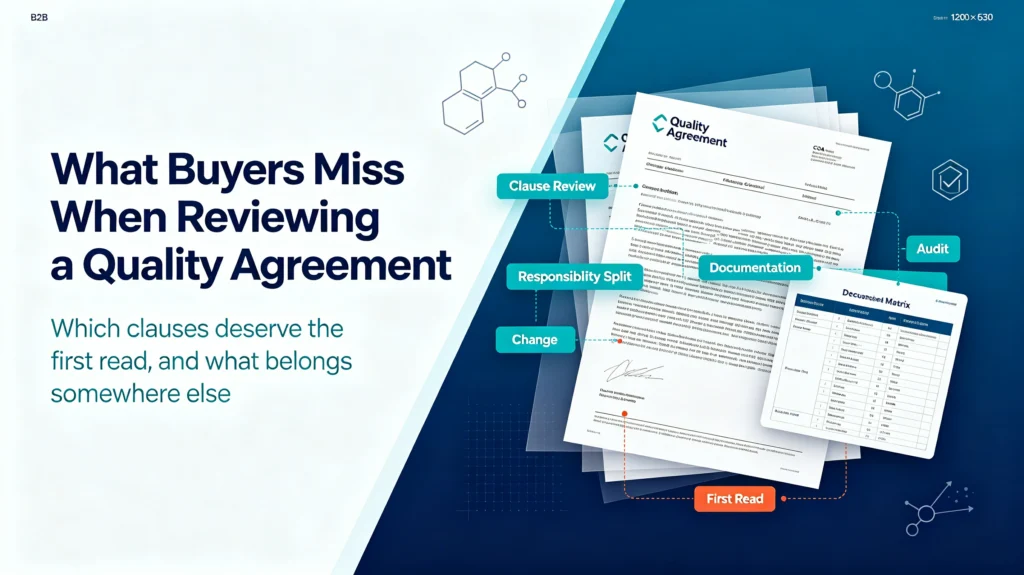
A quality agreement divides quality responsibilities between you and your supplier before anything goes wrong. This guide shows intermediate buyers which clauses deserve the first read, what is worth negotiating, and what belongs somewhere else entirely.
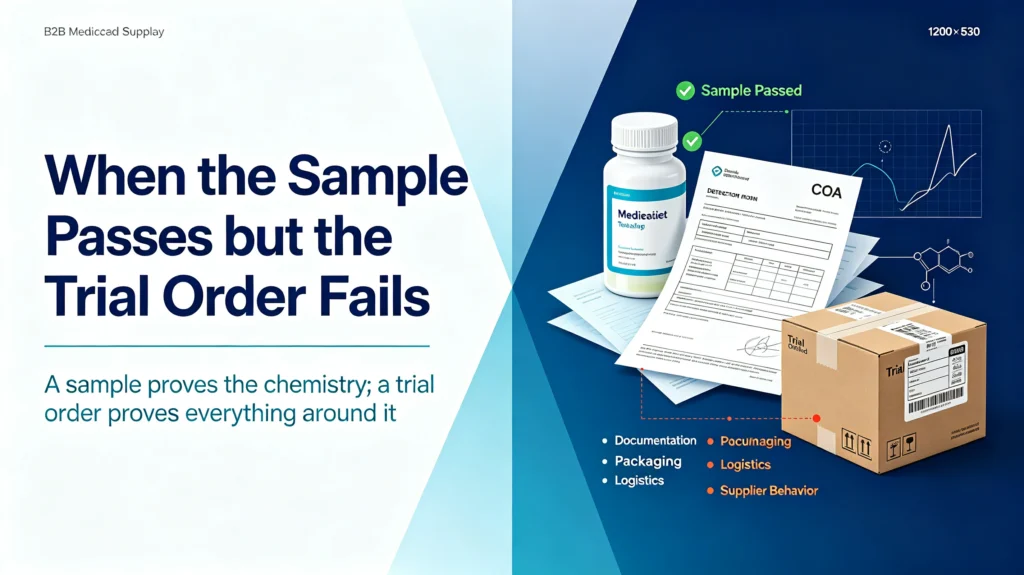
A sample proves the chemistry; a trial order proves everything around it — documentation, packaging, logistics, and how a supplier behaves when something slips. This guide walks buyers through both, in the order that costs least and reveals most.
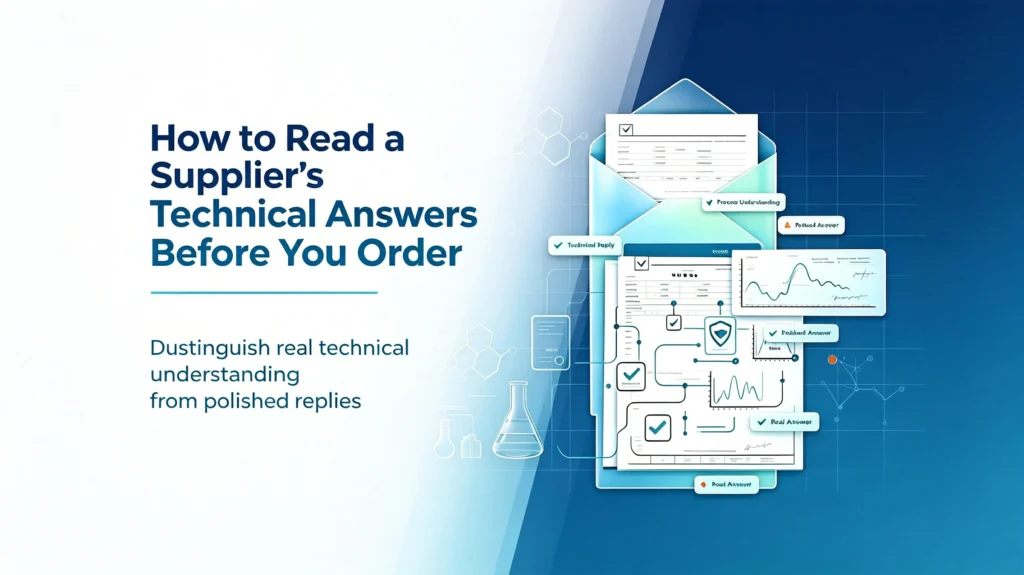
Every supplier answers your technical questions; far fewer answer them in a way that proves someone understands your process. Here is how to tell a chemist’s reply from a sales-written one, judged only from the emails already in your inbox.
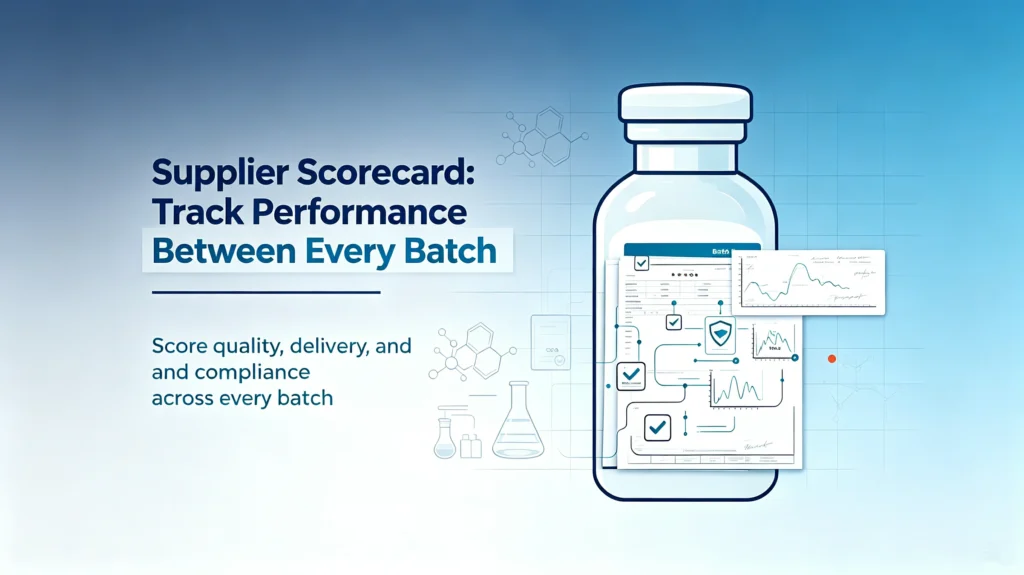
A supplier you qualified two years ago is not automatically a supplier you can trust this quarter. A simple supplier scorecard turns scattered impressions into numbers, shows you which intermediate suppliers are drifting, and tells you when to act — before a failed batch forces the conversation.
A supplier COA is a declaration, not proof. Run incoming QC on arrival: seven checks that decide whether to release or reject a batch.
