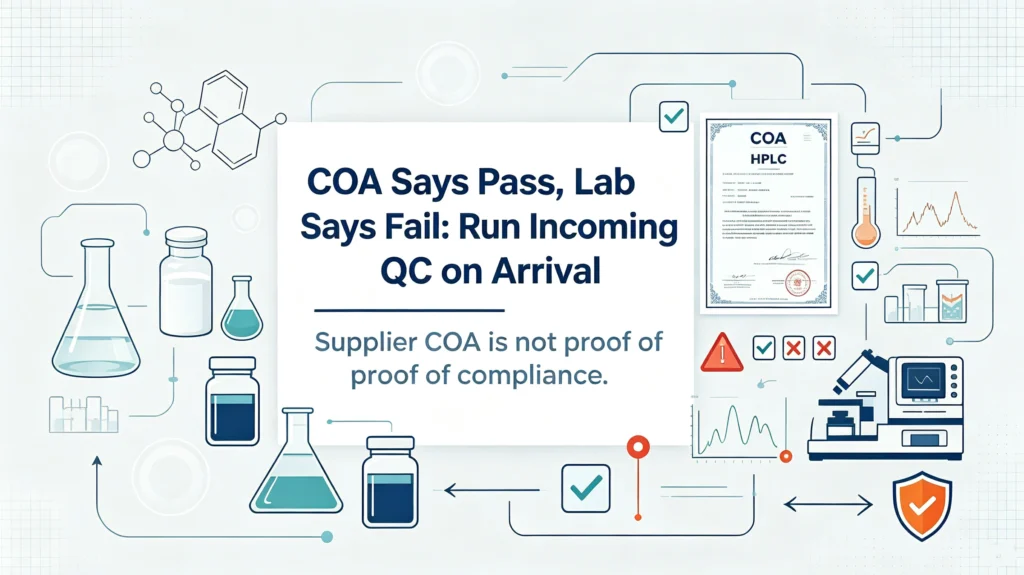
Incoming QC: 3 Checks That Stop Bad Batches on Arrival
A supplier COA is a declaration, not proof. Run incoming QC on arrival: seven checks that decide whether to release or reject a batch.

A supplier COA is a declaration, not proof. Run incoming QC on arrival: seven checks that decide whether to release or reject a batch.
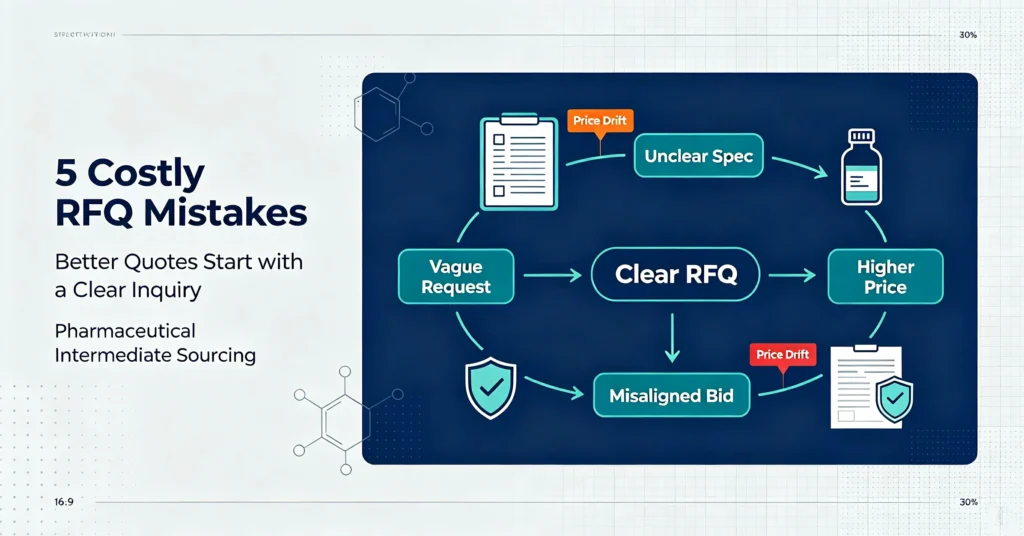
A vague request for quotation invites an inflated, inaccurate intermediate quote. This buyer’s guide shows the five costly RFQ mistakes that drive prices up and bids apart, and how to write an inquiry that gets comparable, honest quotes from pharmaceutical intermediate suppliers.
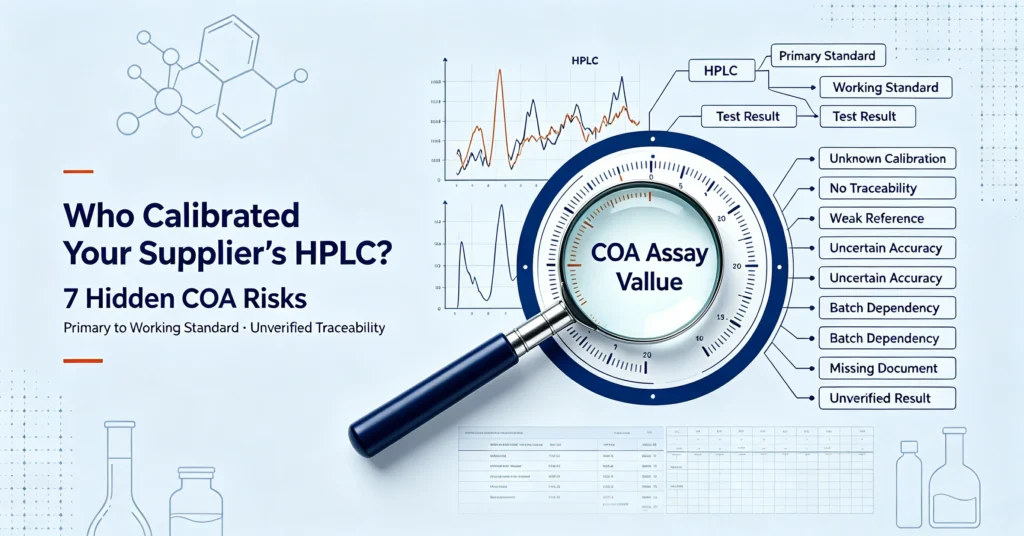
Every assay value on a COA is measured against a reference standard — if that standard is weak, every number built on it is weak. This guide explains the primary-to-working traceability chain and the seven costly mistakes buyers make when they never ask about standards.
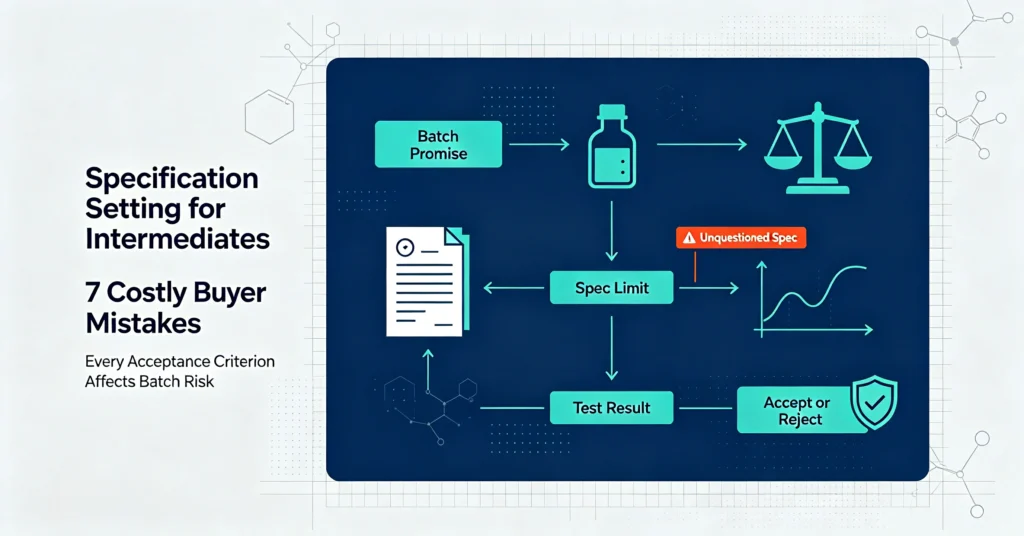
This buyer’s guide explains how specification limits are set, how to judge whether they are reasonable, and the seven costly mistakes buyers make when they accept a spec without question.
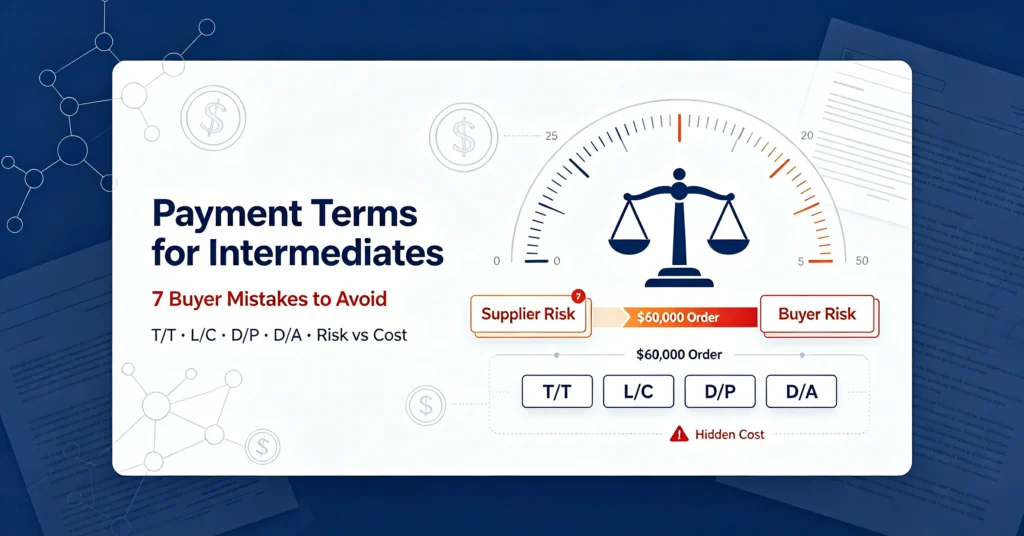
This guide compares T/T, L/C, D/P and D/A for pharmaceutical intermediate purchases, with worked costs on a $60,000 order and the seven mistakes buyers make.
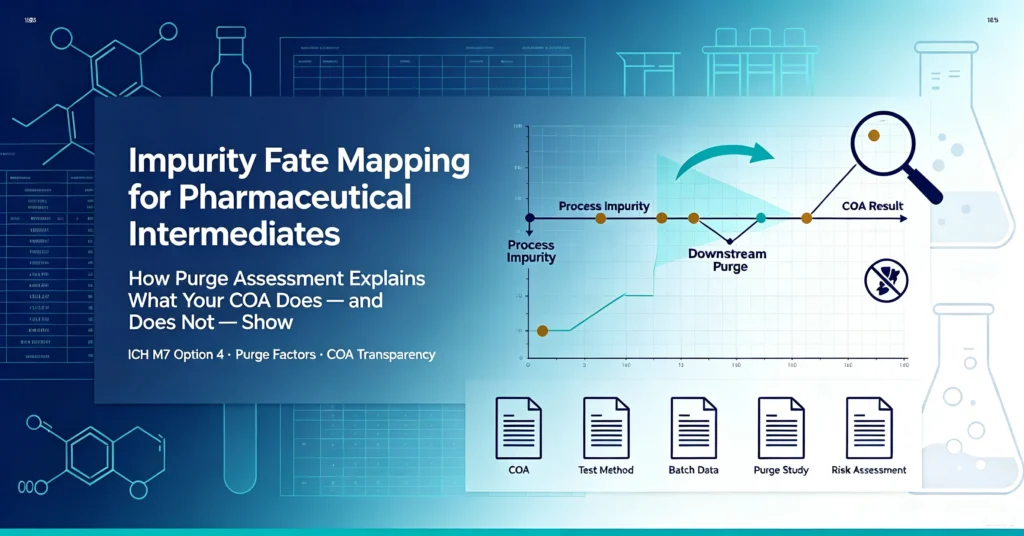
An impurity absent from a Certificate of Analysis is not necessarily absent from the process — it may simply have been purged downstream. This guide explains impurity fate mapping, purge factors, ICH M7 Option 4, and the five documents buyers should request.
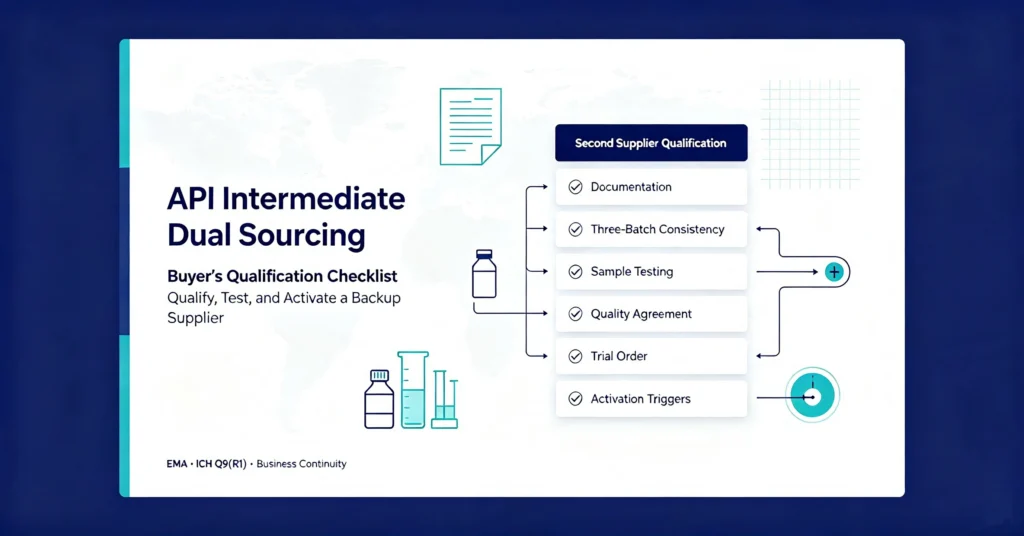
This checklist shows buyers how to qualify a second supplier in six steps — documentation, batch consistency, quality agreements, and activation triggers included.
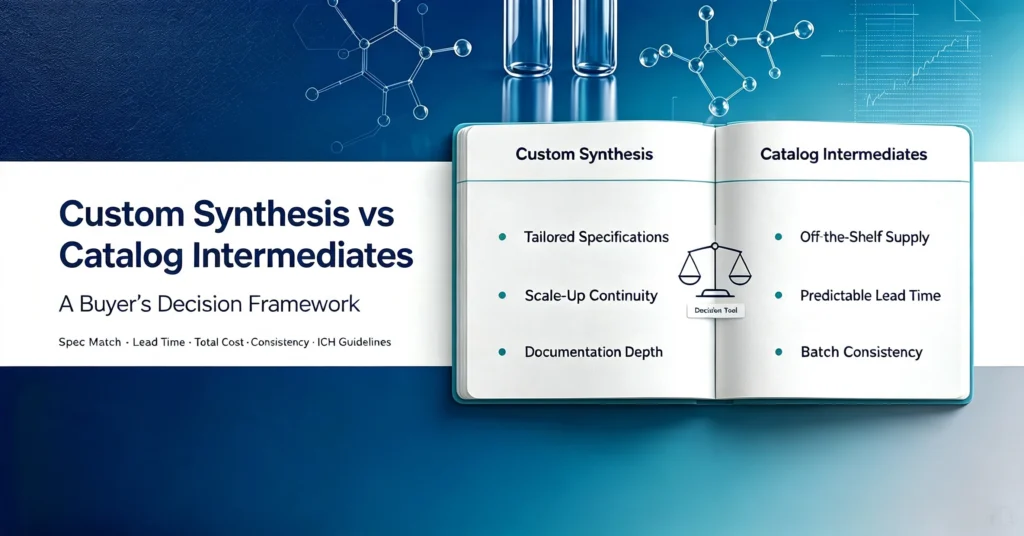
This article presents a buyer’s decision framework built on six factors: specification match, lead time predictability, total cost of ownership, batch-to-batch consistency, documentation depth, and scale-up continuity.
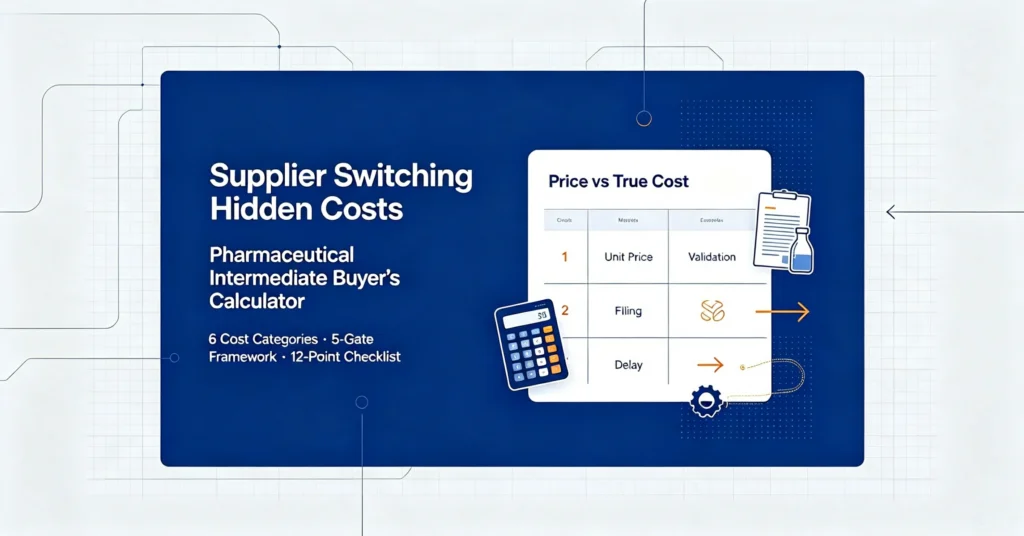
Switching intermediate suppliers for 20% lower price? Six hidden costs including bridging studies, regulatory filings, and method revalidation can reach $600K.
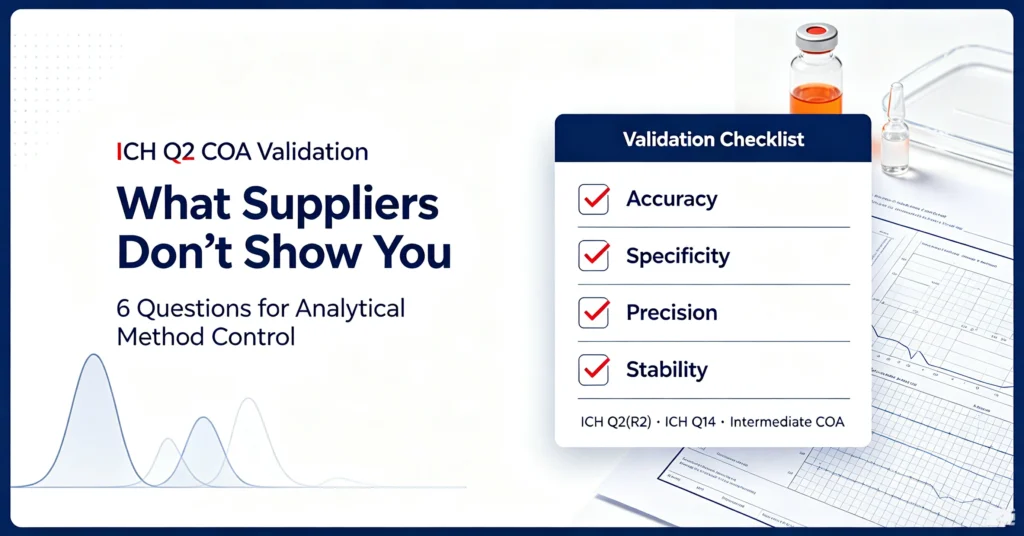
This guide decodes the seven validation parameters defined in ICH Q2(R2) from an intermediate buyer’s perspective, explains why stability-indicating methods matter for retest dating, and provides six questions buyers should ask suppliers about their analytical methods.
