
The Proven Decision Tree For A Supplier Change Notice
A buyer-side decision tree for handling an intermediate supplier change notice — what to accept, contest, or reject, and how to log the call.
As people increasingly prioritize health, dietary supplements are gaining widespread acceptance. Today, in Tianming Pharmaceutical’s supplement series, we’ll delve into the hottest topic in the supplement world—ergothioneine.
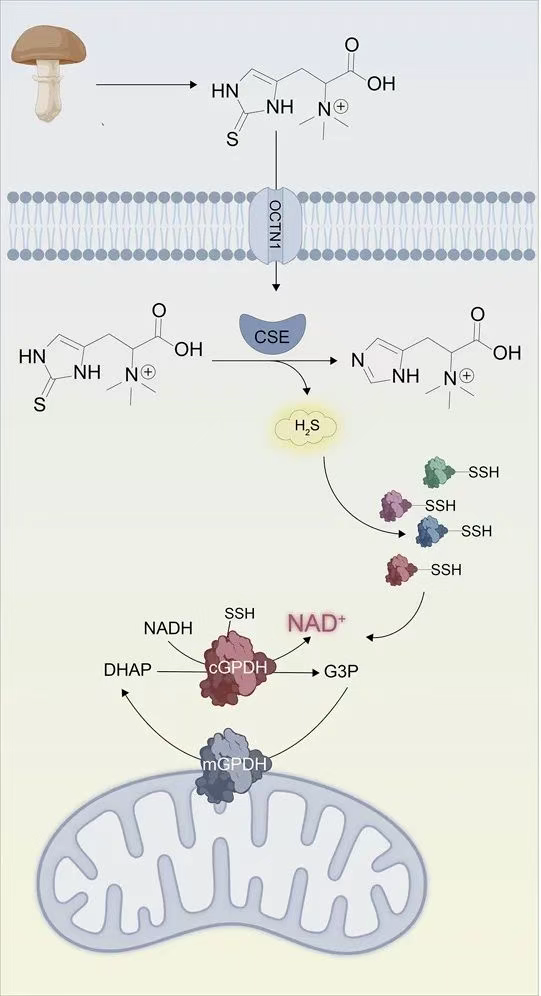
Ergothioneine was first isolated from ergot fungus as early as 1909 but remained largely overlooked. Its gradual emergence is attributed to its unique transport protein (OCTN1), which was recently discovered to be widely present in various human tissues, leading to an accumulation of research.
It wasn’t until 2018, when Professor Bruce Ames selected it from among antioxidants and defined it as the “longevity vitamin,” that it truly gained widespread attention. Thus, its popularity is partly due to deliberate selection.
Its complete breakthrough came from subsequent validation of its anti-aging capabilities—extending biological lifespan and improving muscle endurance.
In a 2022 study, researchers found that feeding fruit flies of different genders with ergothioneine at varying concentrations significantly increased the 100-day survival rate of the fed group.
In studies on the lifespan of model organisms (Caenorhabditis elegans), it was confirmed to have a lifespan-extending effect. In studies on mammals, it not only improved the endurance of mice but also increased their muscle mass and the number of muscle stem cells.
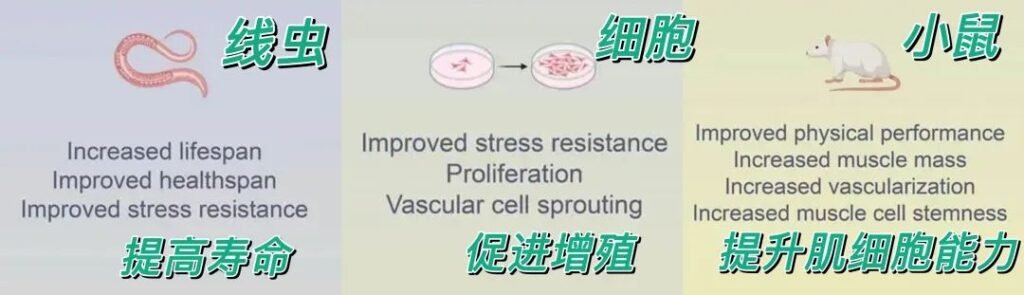
As animal and cell experiments have progressed, its functional profile has been mapped out, roughly divided into four major categories: antioxidant, anti-fatigue (mitochondrial protection), anti-inflammatory, and whitening/anti-aging effects.
Among these, its antioxidant capacity stands out the most, earning it the title of the fifth-generation antioxidant following vitamin C, enzymes, plant extracts, and biomimetic antioxidants.
It can be said that other functions such as anti-aging and whitening are merely secondary effects of its antioxidant activity (based on current research progress).
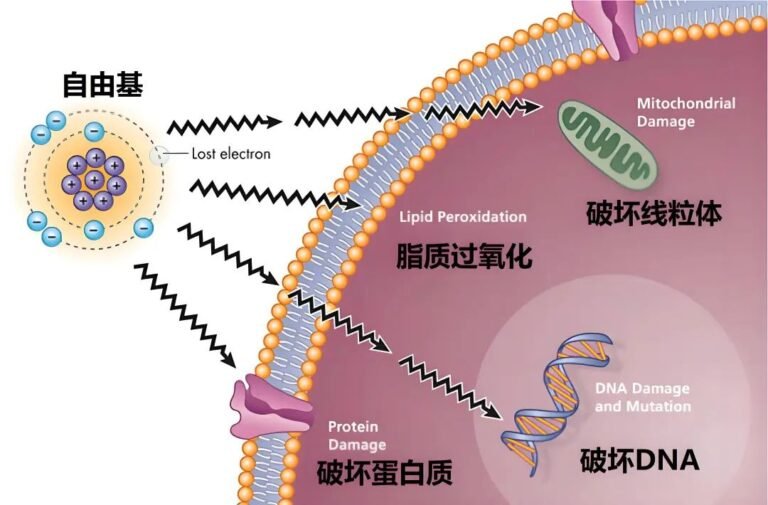
Its highly impressive antioxidant capacity primarily stems from: it has a dedicated transport protein that can enter the interior of mitochondria (among currently known antioxidants, only a few can penetrate the mitochondrial membrane), and 90% of endogenous oxidative free radicals in the human body are produced by mitochondria.
Additionally, it possesses two key characteristics:
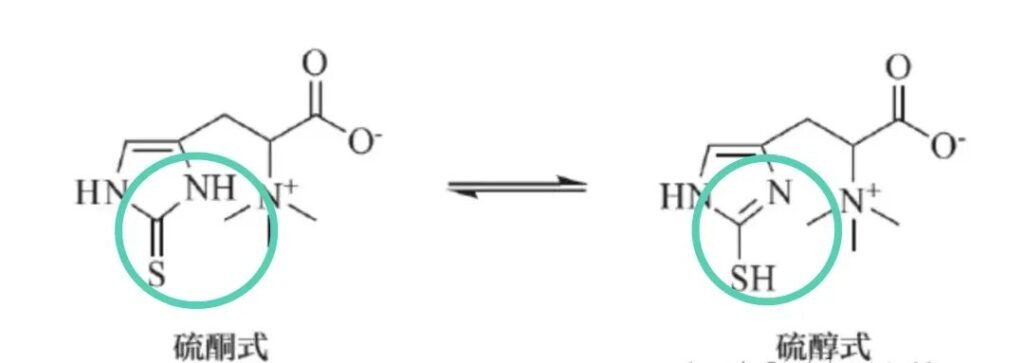
The most critical factors are purity, form, and formulation.
The purity of ergothioneine supplements should ideally exceed 99.99%. While the average concentration of products on the market is generally above 99%, absorption and utilization rates must be considered for oral supplements.
Ergothioneine exists in two forms: L-ergothioneine (left-handed) and D-ergothioneine (right-handed).
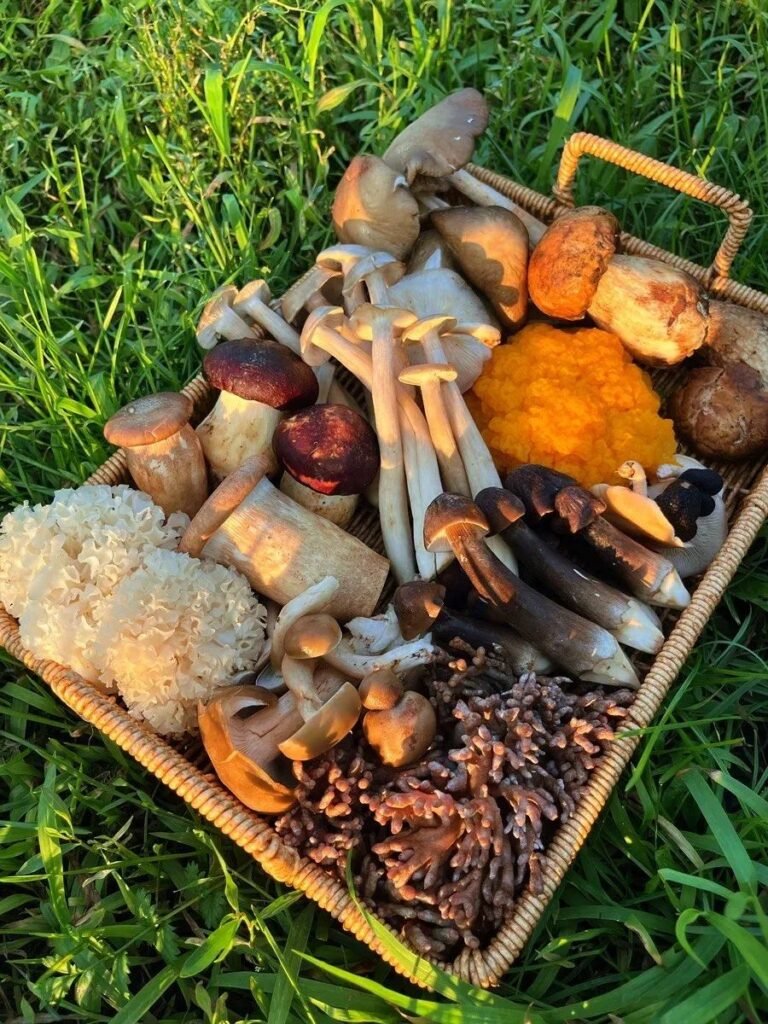
Only the L-form (L-ergothioneine) is a natural component that can perfectly bind with transport proteins, i.e., it is derived from mushrooms.
The D-form (D-ergothioneine) is a byproduct of chemical synthesis, with activity only 10-20% that of the L-form.
Therefore, the form determines purity and is the key to whether ergothioneine truly exerts its effects.
Current research suggests that ergothioneine is a powerful antioxidant, while glutathione, a hub-type antioxidant with reducing properties, can drive it to become a semi-permanent antioxidant perpetual motion machine.
Therefore, ergothioneine supplements containing other blended components such as glucan and glutathione are generally considered superior to single-component products.
Of course, if the ergothioneine is mushroom-derived, since the biological extraction process naturally contains these components, the formulation requirements are less stringent.
Based on the functional principles of ergothioneine, Tianming Pharmaceutical has summarized a list of mature alternative components from four dimensions, including antioxidant properties:
1/Antioxidant
The outstanding antioxidant capacity of ergothioneine in cellular experiments primarily stems from its effectiveness against multiple free radicals and its ability to penetrate mitochondria.
These two points can be replaced by the glutathione + PQQ model.
Glutathione, in addition to being an endogenous antioxidant, is also known as the “mother of antioxidants,” serving as a key intermediary in virtually all antioxidant reactions and capable of regenerating other antioxidants (such as vitamin C, vitamin E, and ergothioneine).
To compensate for glutathione’s inability to provide antioxidant protection at the mitochondrial source, PQQ can be used in combination.
Although PQQ and ergothioneine protect mitochondria in different ways, PQQ can directly promote mitochondrial regeneration and is currently an emerging food ingredient approved by domestic authorities.
Note: Oral glutathione has low bioavailability, so it is preferable to choose reduced GSH liposomes.
2/Anti-fatigue (mitochondrial protection)
A combination of NAD+/NMN + astaxanthin + coenzyme Q10 can be used as an alternative to ergothioneine.
NMN primarily enhances the intracellular water-soluble antioxidant system (such as glutathione and SOD enzymes), while astaxanthin focuses on the lipid-soluble environment (such as cell membranes and mitochondrial membranes), providing antioxidant protection while safeguarding mitochondrial membrane structure.
Additionally, when combined with coenzyme Q10, they synergistically enhance mitochondrial energy production capacity, further alleviating fatigue.
In fact, the anti-fatigue effects of ergothioneine itself are primarily due to its protective and functional role in mitochondria. In recent years, scientists have increasingly noted its relationship with NAD+.
Therefore, in addition to choosing expensive ergothioneine, opting for the NAD+ + Coenzyme Q10 formulation is also viable.
3、Anti-inflammatory and anti-aging effects
Consider the combination of Centella asiatica + collagen.
Centella asiatica promotes wound healing, reduces inflammation, and enhances skin resilience (by stimulating collagen synthesis). Collagen, on the other hand, is the substance most directly associated with skin aging.
That concludes today’s discussion on ergothioneine.
Finally, I would like to remind everyone that supplements, while a scientific “cheat code” for quickly replenishing energy and enhancing bodily functions in today’s fast-paced urban lifestyle,
However, supplementing the body also requires an adaptation process, so there’s no need to rush or overdo it in the beginning.
Everyone should adjust their supplementation schedule based on their body’s feedback. A more professional approach is to regularly monitor your body’s data metrics and consult with a nutritionist or doctor for advice. This is how you can achieve scientific supplementation!
If you have any needs for supplements like ergothioneine, NMN, or PQQ, please contact us immediately to get a comprehensive supplement plan!
Email: sunqian0123@gamil.com
A buyer-side decision tree for handling an intermediate supplier change notice — what to accept, contest, or reject, and how to log the call.
A supplier discontinuation is a deadline, not just bad news. The questions to ask in writing, the last-time-buy calculation, and the files to collect in time.
Rejected batch? What to do in the first hour, how to write the notice, who pays the costs, and the escalation path when a supplier stalls.

Manufacturer and supplier of pharmaceutical APIs and intermediates. Contact us for technical support and sourcing solutions.