The global obesity treatment landscape is undergoing a profound transformation. Injectable GLP-1 receptor agonists such as semaglutide (Wegovy®) have demonstrated strong clinical efficacy, but long-term adherence challenges, injection fatigue, and access limitations continue to shape unmet medical needs.
Against this backdrop, orforglipron, a novel oral, non-peptide GLP-1 receptor agonist developed by Eli Lilly, has emerged as one of the most closely watched candidates in metabolic disease therapy.
On December 18, Eli Lilly announced that it had submitted a New Drug Application (NDA) for orforglipron to the U.S. Food and Drug Administration (FDA) for weight management. This milestone reflects both growing clinical confidence and strong market anticipation for an effective oral alternative to injectable GLP-1 therapies.
What Makes Orforglipron Clinically Significant?
Orforglipron is a small-molecule, orally administered GLP-1 receptor agonist, which fundamentally differentiates it from peptide-based injectable therapies such as semaglutide and tirzepatide.
From a clinical and pharmaceutical development perspective, this distinction matters for several reasons:
- Oral administration eliminates injection-related barriers
- Small-molecule chemistry allows conventional tablet manufacturing
- Daily oral dosing may improve long-term patient adherence
- Supply chains are less constrained than peptide injectables
These characteristics position orforglipron not as a replacement, but as a complementary option in the expanding obesity treatment ecosystem.
Weight Maintenance After Switching from Wegovy®
One of the most discussed findings disclosed by Eli Lilly relates to weight maintenance following a switch from semaglutide (Wegovy®) to orforglipron.
According to Lilly’s statement, participants who transitioned from Wegovy® to orforglipron maintained the majority of their prior weight loss, with an average weight regain of only 0.9 kilograms after switching.
This data point is notable for two reasons:
- It suggests that oral GLP-1 receptor activation can sustain metabolic effects achieved by injectable therapy
- It addresses a real-world concern regarding treatment transitions, which are common due to availability, cost, or patient preference
Importantly, Lilly did not claim superiority over semaglutide. The data supports maintenance, not incremental weight loss, and remains consistent with responsible clinical interpretation.
Regulatory Perspective and Development Context
The FDA submission represents a transition from clinical development into regulatory review, not a guarantee of approval. The NDA reflects accumulated evidence on:
- Efficacy in weight management
- Safety and tolerability profile
- Manufacturing controls and product quality
- Benefit-risk assessment in target populations
As outlined in FDA guidance on obesity drug development, long-term weight management therapies are evaluated not only on efficacy but also on sustained outcomes, safety margins, and real-world usability.
Orforglipron’s oral format aligns with broader regulatory interest in improving treatment accessibility and adherence, particularly in chronic metabolic conditions.
Implications for the Pharmaceutical Manufacturing Chain
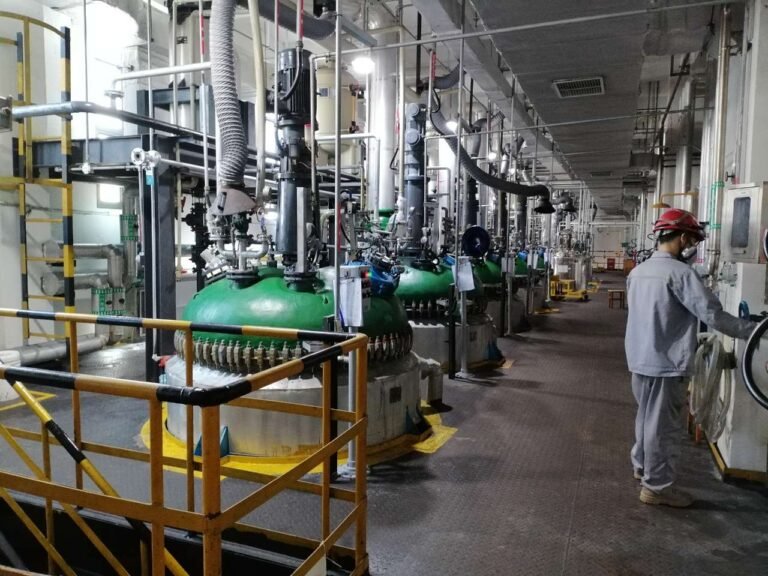
Beyond clinical outcomes, orforglipron also carries important implications for pharmaceutical manufacturing and supply chains.
As a small-molecule drug, orforglipron relies on:
- Multi-step organic synthesis
- High-purity pharmaceutical intermediates
- Strict impurity and batch-to-batch consistency control
- Scalable, GMP-compliant manufacturing processes
Unlike peptide-based injectables, oral GLP-1 candidates place greater emphasis on chemical process robustness, particularly at the intermediate stage. Minor variability introduced early in synthesis can propagate into downstream quality risks.
For this reason, drug developers increasingly require intermediate suppliers that demonstrate:
- Proven experience in complex heterocyclic synthesis
- Deep impurity control strategies
- Multi-batch consistency data
- Regulatory-ready documentation
Why Orforglipron Matters for the Future of Oral Weight-Loss Therapies
The significance of orforglipron extends beyond a single product. It represents a broader industry shift toward oral metabolic therapies with comparable clinical impact to injectables.
From a market perspective:
- Oral GLP-1 drugs may expand patient eligibility
- They could reduce healthcare system burden related to injections
- They may accelerate global adoption in regions with limited cold-chain infrastructure
From a development perspective:
- Oral small molecules demand higher chemical precision
- Quality risks move upstream into intermediates and process design
- Manufacturing partners play a strategic, not transactional, role
Our Role in Supporting Orforglipron Development
As a manufacturer of pharmaceutical intermediates and APIs, we closely monitor the technical evolution of innovative molecules such as orforglipron.
We currently offer a dedicated Orforglipron-related product portfolio, designed to support early development, scale-up, and commercial readiness.
🔹 Our Orforglipron Product Catalog Includes:
- Key synthetic intermediates for orforglipron pathways
- High-purity reference intermediates
- Custom synthesis support for route optimization
- GMP-aligned quality documentation and batch data
Our manufacturing approach emphasizes:
- Batch-to-batch consistency
- Impurity trend control
- Transparent technical communication
These capabilities align with the demands of modern metabolic drug development, where intermediate quality directly influences regulatory success.
Conclusion
Orforglipron represents a meaningful advance in the pursuit of effective, accessible, and patient-friendly weight management therapies. Eli Lilly’s NDA submission and disclosed weight-maintenance data reinforce the drug’s potential without overstating its impact.
As oral GLP-1 therapies move closer to commercialization, the importance of robust chemical manufacturing, high-quality intermediates, and process reliability will continue to grow.
For pharmaceutical companies advancing orforglipron or related metabolic programs, selecting partners with proven technical depth is not optional—it is foundational.
Tianming Pharma Online cooperation: sunqian0123@gamil.com
WhatsApp: +86 17663713557