

Orforglipron Heralds a New Era in Anti-Diabetes | Beyond Medication: Other Factors That Control Blood Sugar

In the battle against diabetes, the arrival of Orforglipron marks the official declaration of a new era in anti-glycaemia therapy. This orally administered, non-peptide GLP-1 receptor agonist is showing remarkable potential in treating type 2 diabetes and supporting weight management, bringing new hope to many patients.

However, we must be clear: medication is not the only “tool” for blood-sugar control. In our daily lives, many factors cause our glucose levels to spike during the day — and breakfast stands out as one of the most critical among them. Today, let’s dive into how to eat breakfast correctly to safeguard stable blood sugar.

How to Eat More Healthily?

Have you ever eaten breakfast, then soon felt drowsy, struggled to concentrate—and even before lunch your stomach is growling? Behind this often lies a “glucose tsunami” in your body!

We often hear “Eat breakfast like a king,” but what’s the scientific evidence behind this? Is it simply “just eat something,” or is it “what and how you eat” that matters? Recent research has moved far beyond “eat or skip breakfast” into the molecular details of “how to eat breakfast.”

Today we’ll interpret three significant studies. They span from daily glucose fluctuations, to long-term diabetes risk, and finally point to brain aging and Alzheimer’s prevention. You’ll find that your breakfast choice not only affects your energy for the morning, but becomes a far-reaching strategic investment for lifelong health!

Breakfast: Not just about Eating, but Eating Right

We’ve all heard “Breakfast like a king,” yet what does that truly mean? A review published in Advances in Nutrition compiled over 100 studies to answer this key question: in the long term, whether you eat breakfast or skip it — and what you eat — how does it affect your risk of type 2 diabetes or metabolic syndrome?

The effects of breakfast

Researchers screened 105 high-quality randomised controlled trials. They examined two main effects of breakfast: immediate effects (glucose and insulin changes within a few hours), and subsequent impacts (for example, lunch glucose response, also known as the “second-meal effect”). They also looked at lipids and blood pressure.

Key finding 1: Eating is better than skipping

Less breakfast was associated with weight gain and higher risk of type 2 diabetes and metabolic syndrome. The reason: skipping breakfast keeps levels of free fatty acids in the blood high—these “idle fuels” reduce insulin sensitivity and make post-lunch glucose spikes greater.

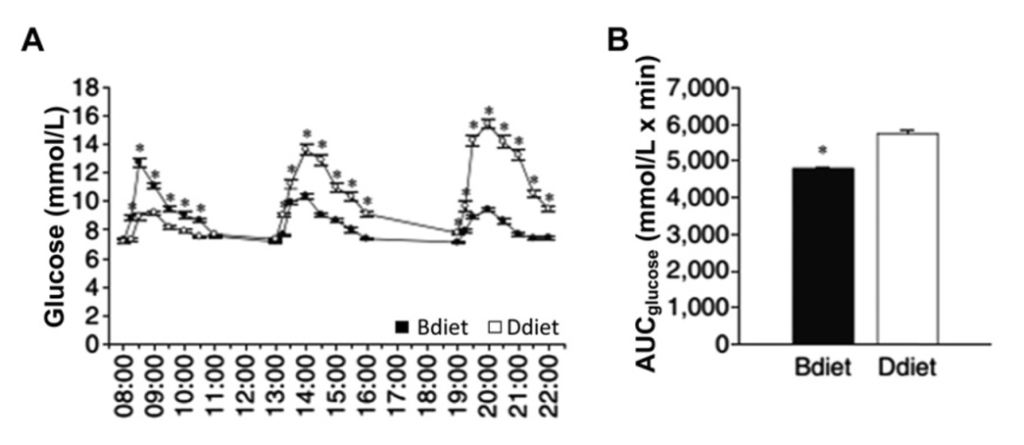
Additionally, eating breakfast significantly improves overall glucose and insulin responses. For instance, in a trial of type 2 diabetes patients, those who ate a large breakfast (~700 kcal) and a small dinner (~205 kcal) had markedly lower post-meal hyperglycaemia all day;

in contrast, a small breakfast and large dinner made glucose control much harder. Researchers explain this by the body’s “circadian rhythm”: insulin sensitivity is higher in the morning, so consuming carbohydrates earlier places less burden on the pancreas.

The impact of high-energy breakfasts and high-energy dinners on blood glucose levels throughout the day in patients with type 2 diabetes

Figure: The different effects of high-energy breakfasts and high-energy dinners on blood glucose levels throughout the day in patients with type 2 diabetes.

Key finding 2: What you eat for breakfast is the core

A pooled analysis of 22 cohort studies found those with the highest carbohydrate intake at breakfast had an 11% higher risk of type 2 diabetes than those with the lowest. The offenders: sugary breads and breakfast cereals—rapidly absorbed carbs that trigger “glycaemic roller-coasters,” increase pancreatic burden, and lead to insulin resistance.

Conversely, whole grains and dietary fibre are “metabolism-friendly.” For example, β-glucan in oats forms a viscous layer in the gut, slowing carbohydrate absorption; fermentable fibres in barley or rye produce metabolites that enhance insulin sensitivity.

Key finding 3::Eating the right breakfast helps stabilize blood sugar at lunch

Researchers also found a practical “chain reaction” — the second-meal effect. A well-chosen breakfast (low-GI, high-fibre) doesn’t just stabilise your glucose after breakfast; it also improves your glucose and insulin response at lunch. This occurs because a good breakfast lowers free fatty acids in the morning, improves insulin sensitivity, and boosts the body’s ability to handle the next meal.

“Low-carb breakfast” Takes the Lead

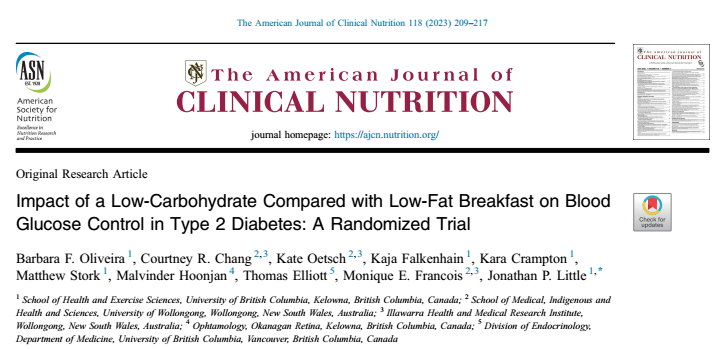
So what does an ideal breakfast look like? A randomized controlled trial published in the American Journal of Clinical Nutrition provides a clear answer: a breakfast low in carbohydrates, high in protein, and rich in healthy fats.

The american journal of clinical nutrition

Results were striking: the low-carb breakfast group had a post-breakfast 2-hour glucose peak that was on average 2.9 mmol/L lower than the traditional group — nearly halved.

The Brain Loves these Two Breakfast Combinations

If stabilizing blood sugar is breakfast’s “primary goal,” then the next research shows its “ultimate mission” — it might help slow brain ageing and fight Alzheimer’s! We said earlier a good breakfast stabilises glucose, giving the brain a stable environment. But inside the brain, there’s a finer “energy system” — a molecule called GTP (guanosine-triphosphate), the “dedicated fuel” of neurons. It powers the cell’s “garbage disposal fleet” (autophagy) that clears Aβ amyloid and other “neural waste”.

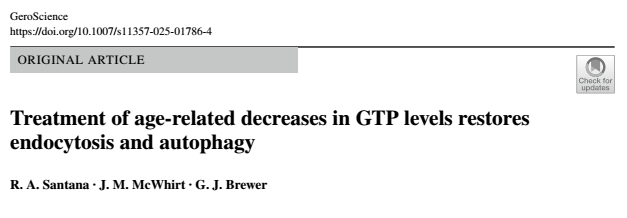
A study published in GeroScience found that in ageing and Alzheimer’s-model brains, GTP levels drop substantially. It’s like the garbage disposal fleet shuts down—resulting in toxic protein accumulation and, ultimately, memory and cognitive decline.

treatment of age-related decreases in GTP levels restores endocytosis and autophagy

Summary

After reviewing these three papers, let’s summarise:

Don’t skip breakfast: eating regularly takes advantage of morning insulin sensitivity, lays the foundation for a stable day, and skipping breakfast increases post-lunch glucose spike risk.

Breakfast choice matters: don’t just eat carbs. The smart breakfast strategy: reduce refined carbs, and add high protein + good fats (like eggs, cheese, vegetables, avocado). This leads to steadier blood sugar and stronger satiety, and might naturally reduce your lunch intake.

The benefits of breakfast reach your brain: adding foods like mushrooms, chicken (high in niacin) and green tea (rich in EGCG) to your breakfast may raise the neuron-level GTP, helping combat brain ageing and Alzheimer’s.

In short—now you know! Give yourself a smart breakfast today and invest in lifelong health.

References: Maki KC, Phillips-Eakley AK, Smith KN. The Effects of Breakfast Consumption and Composition on Metabolic Wellness with a Focus on Carbohydrate Metabolism. Adv Nutr. 2016 May 16;7(3):613S-21S. doi: 10.3945/an.115.010314. PMID: 27184288; PMCID: PMC4863265.

Related Blogs

Scroll to Top

Contact us to Get the Best Product Solution