In the previous article, we discussed the mechanism of action of ergothioneine as a supplement and its alternative options.
In fact, as an important ingredient in skincare products, ergothioneine also offers significant benefits for our skin. Today, we will provide an overview of the benefits of ergothioneine for our skin.
What are the Benefits of Ergothioneine for the Skin?
Ergothioneine (EGT) is a naturally occurring sulfur-containing amino acid derivative found in mushrooms, grains, and certain animal tissues. Its unique chemical structure and biological functions make it highly beneficial for skin care.
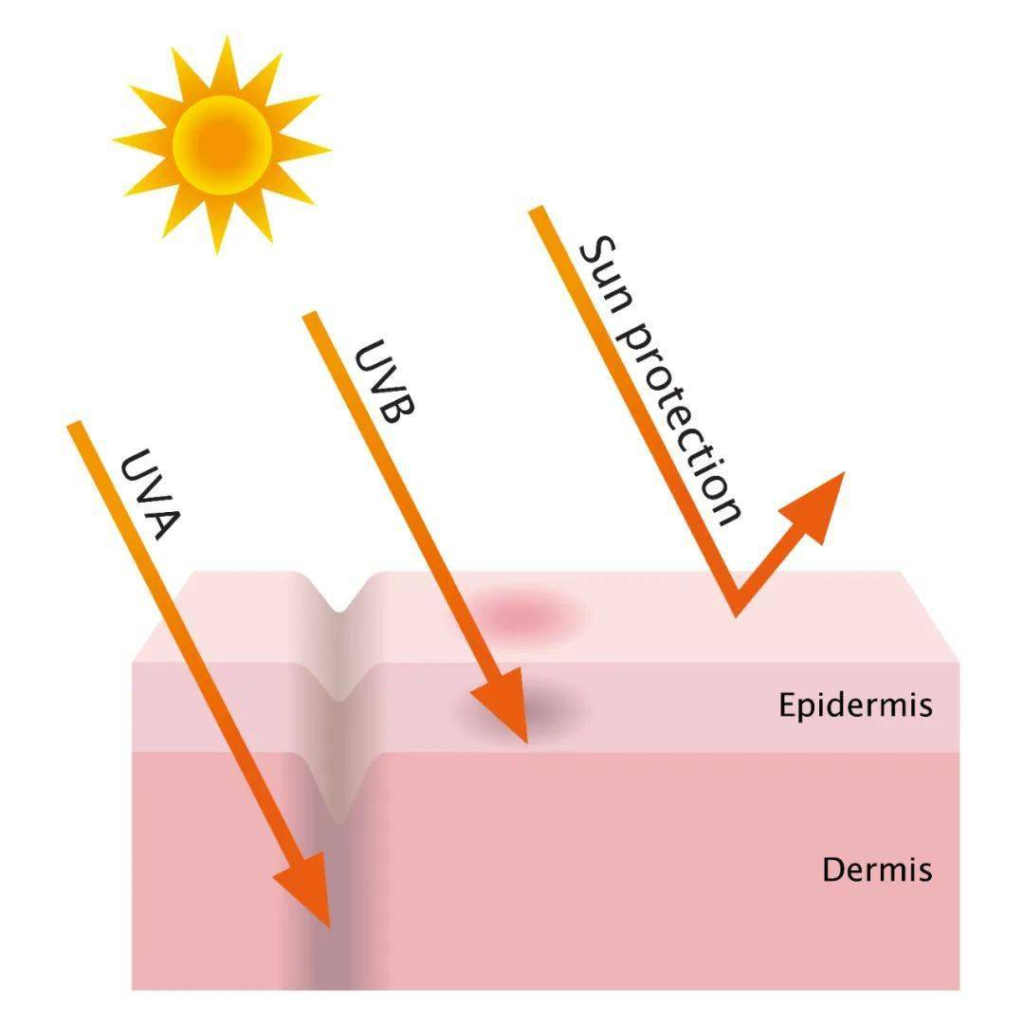
Antioxidant effects – Anti-inflammatory effects – Photoprotective effects – Promotion of collagen synthesis – Moisturizing and barrier repair – Comprehensive anti-aging effects
Ergothioneine provides comprehensive anti-aging, moisturizing, and repair benefits for the skin through its unique antioxidant, anti-inflammatory, photoprotective, and collagen-promoting mechanisms.
How to Choose Ergothioneine-Related Skincare Products?
When it comes to selecting skincare products, the criteria are generally more lenient than for supplements.
When selecting skincare products with ergothioneine as the main ingredient, adhere to three standards: purity, source, and concentration.
In terms of purity, a concentration exceeding 99% is sufficient for cosmetics. This is because our epidermis has direct transport proteins, resulting in high absorption rates.
The OCTN-1 transport protein is located in the basal layer of the epidermis.
Regarding source, it is the same as for supplements: mushroom-derived is preferable to chemically synthesized. Here’s a little insider tip: in experiments, researchers actually feed cells and mice mushroom extracts.
Regarding concentration, the minimum effective concentration is 0.05%–0.1%, but for high-performance needs such as anti-photoaging and post-aesthetic surgery care, an ideal concentration of 0.2%–1% is required.
This is because anti-aging and photoaging occur in the dermis. On one hand, the skin thickness in the dermis is deeper than the epidermis and superficial dermis where the effective concentration is achieved; on the other hand, the dermis has lower levels of its own transport proteins compared to the epidermis, so higher concentrations are required.